Luxury was built, for much of the twentieth century, on the logic of global repetition. The same hotels in different cities, the same stores in the world’s major capitals, the same visual codes recognisable at any latitude. Distinction came from familiarity. Prestige lay in predictability. Knowing exactly what to expect was part of the experience. Today, that model has lost its strength. In a world saturated with generic offerings, luxury has shifted towards its opposite. The local has become the new marker of exclusivity.
Territoriality, once perceived as a geographic limitation, has been transformed into a symbolic asset. What now distinguishes a high-end experience is no longer international neutrality, but the ability to express a place with depth and intention. The contemporary traveller is not merely seeking comfort or technical excellence. They seek context, narrative and identity. They want to feel where they are, to understand what makes that territory singular and irreproducible.
This shift emerges from a collective fatigue with homogenisation. Globalisation brought markets closer, but diluted differences. Urban centres began to resemble one another. Brands lost their accent. Experiences became interchangeable. In this context, the luxury of place appears as a cultural and emotional response. Connection to territory restores density to experience and creates a bond that cannot be replicated elsewhere.
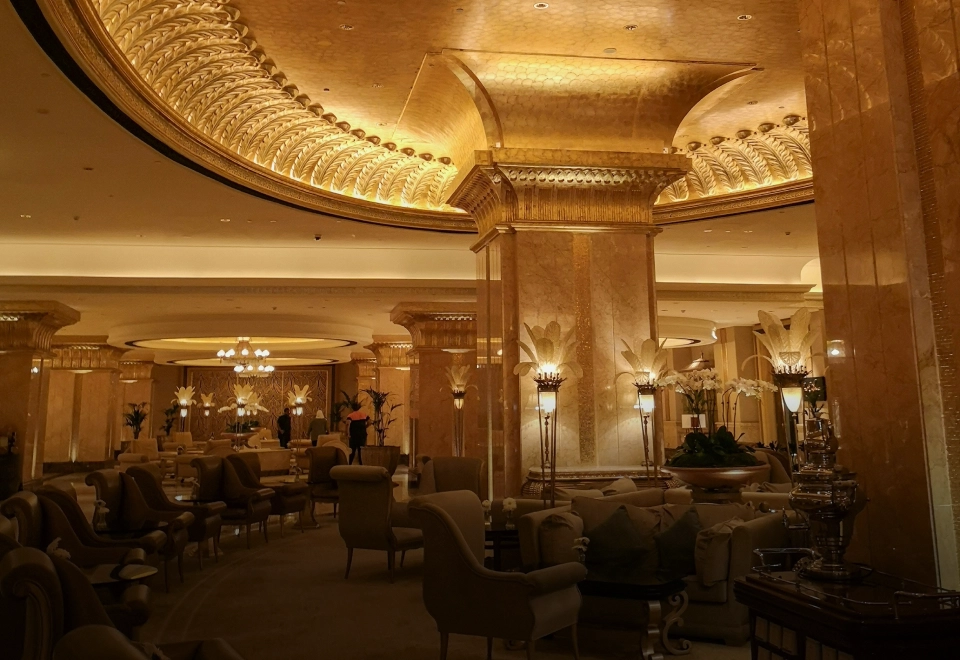
In high-end hospitality, this transformation is evident. Hotels have moved away from neutrality to become sensitive extensions of their surroundings. Architecture dialogues with the landscape. Gastronomy is rooted in local produce and regional knowledge. Design incorporates materials, techniques and cultural references. Luxury no longer lies in isolating the guest from the place, but in integrating them through careful curation. Staying at a hotel becomes, in itself, a way of inhabiting a story.
The same movement is present in the world of fashion. Brands that once aspired to a global aesthetic now value origin, technique and context. Fabrics tied to specific regions, preserved artisanal processes, narratives connected to living communities and traditions. Luxury ceases to be merely visual and becomes a symbolic language. Wearing a piece becomes an act of cultural belonging, even if temporary.
The local gains strength precisely because it has become globally desirable. The more the world becomes uniform, the greater the value of what cannot be replicated. Territoriality offers singularity in a market saturated with similarity. Place becomes a signature. Not as folklore or exoticism, but as a contemporary interpretation of identity. Territory is not frozen, it is translated.
There is also an ethical dimension to this appreciation of place. Contemporary luxury carries a growing awareness of impact and responsibility. Working with territory implies respecting it. Valuing local supply chains, preserving cultural and natural heritage, reducing excess and unnecessary displacement. The luxury of place is not only aesthetic. It is positioning. Place ceases to be a backdrop and becomes a living part of the experience.
This approach requires more than compelling narratives. It requires ongoing relationships. Brands that use territory merely as a visual resource quickly lose credibility. The high-end consumer recognises when place is truly lived and when it is merely exploited. Authentic territoriality arises from genuine involvement, not from sporadic campaigns or opportunistic discourse.
Paradoxically, the more localised a brand becomes, the more universal its language. What is deeply rooted communicates truth. Specificity creates emotional connection. Even without knowing the history of a territory, one can feel when it is respected. The luxury of place speaks a human language that crosses borders without losing identity.
This inversion also redefines the concept of status. Where prestige once came from consuming what everyone recognised, it now comes from access to what few know. Luxury shifts from the obvious to the singular. From the global to the situated. From the generic to the contextual.
Knowing a place, understanding its rhythm and culture, has become more valuable than simply passing through it.
For brands, this demands clear choices. It is no longer enough to adapt discourse to each market. Identity must be assumed with courage. The local cannot be an accessory. It must be structure. Territory influences design decisions, service, narrative and even time. The brand gains a symbolic address, not just international presence.
The luxury of place also responds to a contemporary emotional need. In a fast-paced and fragmented world, place offers anchoring. It creates a sense of belonging, even if temporary. The traveller finds meaning by connecting with real stories, specific landscapes and people who carry memory. Luxury ceases to be abstract and becomes embodied experience.
Perhaps the clearest sign of this shift lies in how we recount experiences. We no longer say only where we stayed, but what that place made us feel. Territory leaves a mark. It creates memory. True luxury lingers because it is tied to a particular light, a scent, a rhythm of its own. Place imprints identity on remembrance.
The luxury of the future will not be neutral. It will be situated, contextual and profoundly human. It will recognise that the world does not need more copies, but more roots. Territoriality does not limit ambition, it guides it. When lived with depth, the local becomes universal because it speaks to something essential. The human need to belong, even if only for moments.
In the end, true luxury is not about being anywhere. It is about being fully in one place. And that cannot be replicated, accelerated or globalised without losing value. Territory, when respected, becomes a universal language. And contemporary luxury finally learns to speak with an accent.