Luxury was born from an obsession with the impeccable. Polished surfaces, strict symmetry, absolute control of process and the systematic elimination of any trace of flaw. Value resided in the perfect, the predictable, in what could be replicated without margin for error. This ideal shaped a dominant aesthetic that equated excellence with the absence of imperfection. Today, this model is beginning to show signs of fatigue. In a world governed by algorithms, filters and optimised patterns, a quieter and deeper desire is emerging. A desire for the imperfect, the irregular, the human. The luxury of imperfection asserts itself as a sensitive response to an excessively calculated landscape.
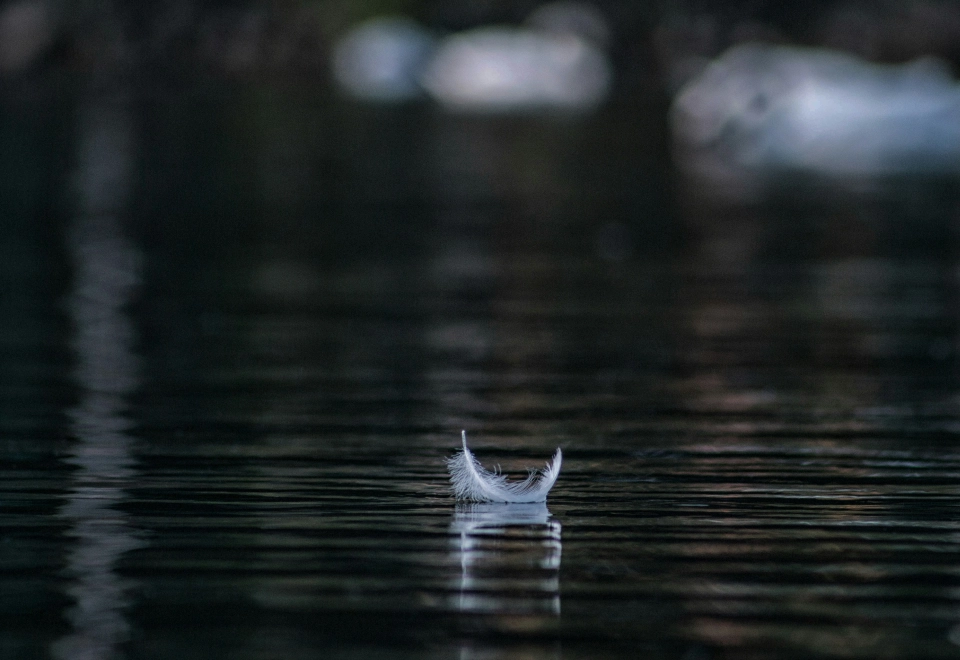
The Japanese concept of wabi-sabi helps illuminate this shift. It celebrates the beauty of what is incomplete, transient and impermanent. It values wear, asymmetry and the natural not as flaws, but as marks of time and real life. Wabi-sabi does not attempt to correct what is irregular. It recognises its truth. In a universe oriented towards continuous optimisation, this philosophy emerges almost as an act of quiet resistance.
Algorithmic aesthetics, by nature, tend towards repetition. They learn from patterns, replicate what works and eliminate deviations. The result is an increasingly homogeneous visual landscape. Overly clean logos, messages calibrated to the millimetre, predictable experiences. Everything operates efficiently, yet little endures. The algorithm understands regularity, but it does not understand history. It recognises form, but it does not feel texture.
It is precisely in this space that the luxury of imperfection finds its place. It values the handmade gesture, the irregular line, the material that ages with dignity. In design, this translates into surfaces that accept marks of use, objects that do not conceal their origin, spaces that breathe naturally. Beauty ceases to be frozen in an ideal moment and becomes something lived over time.
In communication, the same movement becomes evident. Excessively polished discourse begins to generate distrust. Audiences recognise when everything is rehearsed, when emotion is calibrated and vulnerability carefully dosed. Imperfect humanity communicates truth because it contains friction. Not everything is said in the ideal way. Not everything is fully resolved. It is precisely this imperfection that creates proximity.
Celebrating imperfection does not mean abandoning quality. On the contrary, it requires a higher level of awareness. Knowing what to leave visible and what to sustain structurally. Wabi-sabi is not negligence. It is care with intention. It accepts that beauty does not need to be immutable to be valuable. Luxury comes to reside in the authenticity of the process, not solely in the final result.
In high-end hospitality, this approach manifests itself subtly and powerfully. Environments that privilege natural materials, imperfect light and organic textures. Rooms that do not feel staged, but lived-in. The experience becomes more human because it does not attempt to conceal time. The guest feels welcomed, not impressed. Luxury moves away from spectacle and closer to presence.
The same principle gains strength in fashion. Fabrics that reveal their weave, cuts that follow the real body, pieces that gain character through use. Rigidity gives way to lived comfort. Imperfection becomes a signature, not due to lack of technique, but due to an excess of intention.
Wabi-sabi also responds to a contemporary emotional fatigue. In a world where everything appears edited, imperfection offers relief. It authorises being without demanding constant performance. Humanity, tired of adjusting to unattainable standards, finds comfort in what is possible, natural and impermanent. Beauty that accepts time restores dignity to experience.
There is also an ethical dimension to this movement. Celebrating imperfection is recognising limits. Accepting that not everything needs to be optimised, accelerated or scaled. Design and communication that embrace wabi-sabi reject the logic of rapid disposal. They value longevity, repair and attachment. An object is not replaced at the first mark. It gains history.
The algorithm does not recognise this value because it operates through performance metrics, not affective memory. It measures clicks, not silence. It evaluates repetition, not permanence. The luxury of imperfection escapes these criteria. It cannot be proven in charts. It is felt over time, through a sustained relationship with space, object or brand.
Brands that understand this shift stop chasing perfect appearance and begin building more honest identities. They do not hide processes, nor do they turn them into spectacle. They embrace the human without staging humanity. Imperfection becomes language because it is lived, not declared.
This choice requires courage. In a market accustomed to immediate comparison, imperfection may appear risky. It is precisely this difference that creates value. Imperfection distinguishes because it cannot be easily replicated. Each irregularity is unique. Each mark of time is unrepeatable. The luxury of imperfection resists copying because it is born of context and lived experience.
Perhaps the future of luxury and design does not lie in competing with the machine, but in inhabiting the territory it cannot reach. The territory of the sensitive, the irregular and the impermanent. Wabi-sabi reminds us that beauty does not need to be eternal to be profound. It only needs to be true.
In a world obsessed with absolute control, imperfection becomes an act of freedom. It restores humanity to form, emotion to communication and meaning to experience. The luxury of imperfection does not shout. It endures. And in the age of the algorithm, this may well be the rarest beauty of all.