Before experience became the focus, image was everything. Brand identity was organised around what could be seen, recognised and reproduced. Logos, colours, typography and visual architecture were the pillars of communication. To see was to understand. For a long time, it was believed that capturing the eye was enough to secure a place in memory. That model, however, began to show its limits in a world saturated with visual stimuli.
As images multiplied and messages became indistinguishable, something essential moved to the foreground. The experiences that truly endure are not anchored solely in sight. They are inscribed in the body. They are felt before they are understood. Sensory marketing thus emerges as a silent language, capable of creating deep memory without explanation or overt persuasion.
Science confirms what human experience has always intuited. Memory is consolidated more through emotion than information. A scent, a sound or a texture can trigger memories with an intensity no image can replicate. Smell, in particular, is directly linked to the limbic system, where emotion and memory reside. A fragrance can transport someone to a moment lived decades ago, instantly and involuntarily.
In the contemporary luxury landscape, this dimension has become strategic. Hospitality, fashion and lifestyle brands understand that true differentiation lies not only in aesthetics or technical excellence, but in the ability to create experiences that register in the body. The marketing you don’t see operates beneath discourse. It does not persuade. It envelops. It creates familiarity before opinion.
Smell plays a central role in this process. High-end hotels use exclusive fragrances to build an invisible identity. Guests may not be able to explain what they feel upon entering, but they immediately recognise the atmosphere. The scent becomes a signature. It does not appear in campaigns, yet it lingers in memory. It creates emotional continuity across spaces, moments and different stays.
Sound is equally decisive. Background music, tone of voice, spatial rhythm and even the management of silence communicate without words. Poorly calibrated sound generates urgency and discomfort. Carefully curated sound invites lingering. Sonic marketing subtly guides behaviour, influencing mood, length of stay and perceived quality. It does not entertain. It sustains the experience.
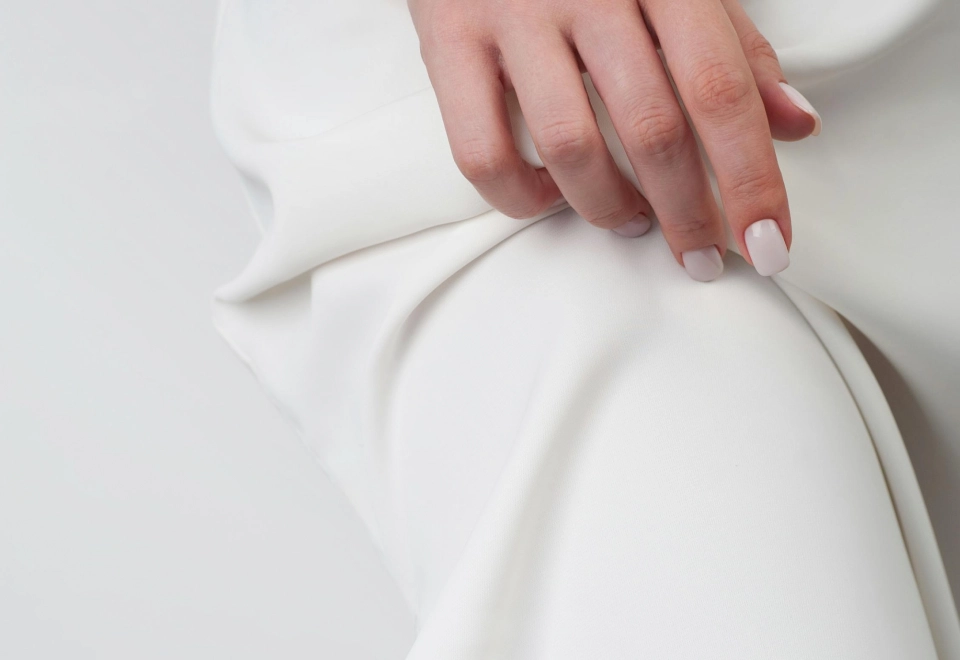
Texture completes this sensory triad. Touch, often overlooked, is a powerful transmitter of value. Fabrics, surfaces, the weight of objects, the temperature of materials. Everything communicates intention, care and respect for detail. Luxury is felt in the hands before it is formed in the mind. A truly refined experience transforms the abstract into something tangible and intimate.
Sensory marketing stands apart because it does not depend on conscious attention. It acts when the mind is relaxed, when defences are lowered. It does not compete with visual noise or promotional discourse. It creates connection without cognitive effort. Sensory experience does not ask to be interpreted. It simply happens.
In a world trained to ignore advertising, this approach becomes even more relevant. People have developed filters for images and words, yet remain permeable to what they feel. An unexpected scent, a welcoming sound or a pleasant texture crosses those barriers. Marketing that is felt creates intimacy. And intimacy builds memory.
There is, however, an ethical dimension to this language. Using sensory stimuli requires awareness and restraint. It is not about manipulating emotions, but about creating environments coherent with the brand’s promise. Sensory luxury is not excess. It is balance. An overly intense fragrance repels. An inappropriate sound disturbs. Sophistication reveals itself in subtlety.
Brands that master this language understand that less is more. Effective stimuli do not draw attention to themselves. They support the experience. The customer should not notice the scent, only feel comfortable. Should not perceive the music, only slow down. Memory is built in the background, not on the surface.
The power of sensory memory also lies in its ability to differentiate. Images can be copied. Discourses can be replicated. A well-crafted sensory experience is difficult to imitate. It depends on context, coherence and continuity. It cannot be improvised. It requires deep knowledge of space, audience and brand identity.
In high-end hospitality, this translates into experiences that extend beyond the stay itself. Guests forget visual details, but remember sensations. They remember how they slept, how they were welcomed, how the environment made them feel. True luxury does not end in the moment. It lingers in memory.
Sensory memory also generates silent loyalty. Customers return not because of incentives, but because they wish to relive a sensation. They want to rediscover that scent, that silence, that touch. Marketing that is felt creates the desire to repeat without persuasion.
Perhaps this is one of the great lessons of contemporary luxury. In a world that shouts, those who whisper endure. Sensory experience restores depth to marketing. It removes it from the realm of promise and places it in lived reality. It is not about saying who the brand is, but about making it felt.
The future of marketing will not be merely more technological or more personalised. It will be more sensitive. More attentive to the body, the senses and memory. Because what truly leaves a mark is not what is seen quickly, but what is felt slowly. Sensory memory does not demand attention. It asks for presence. And presence, today, is the rarest luxury of all.