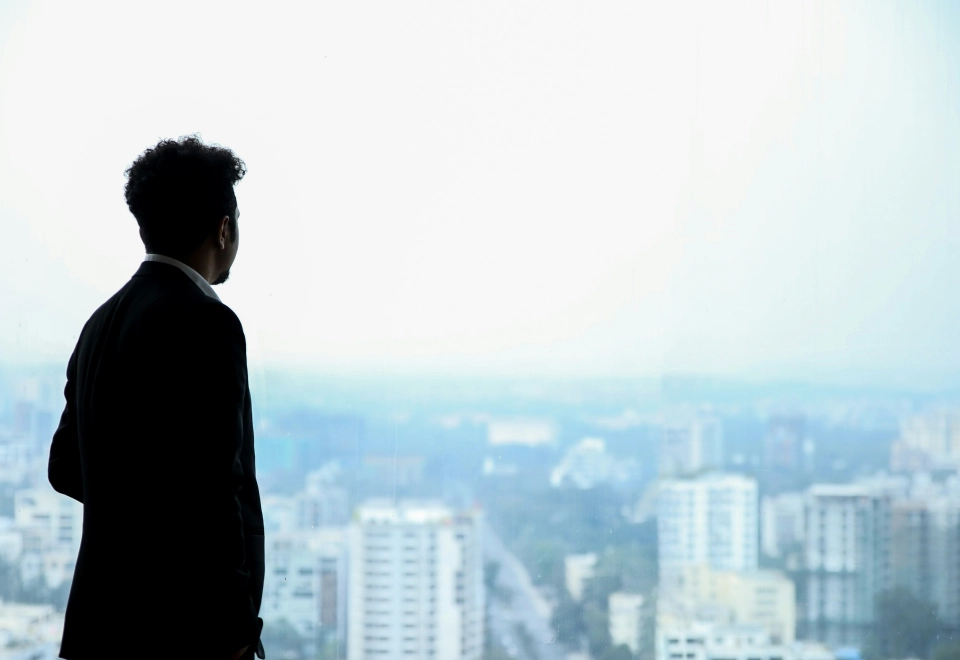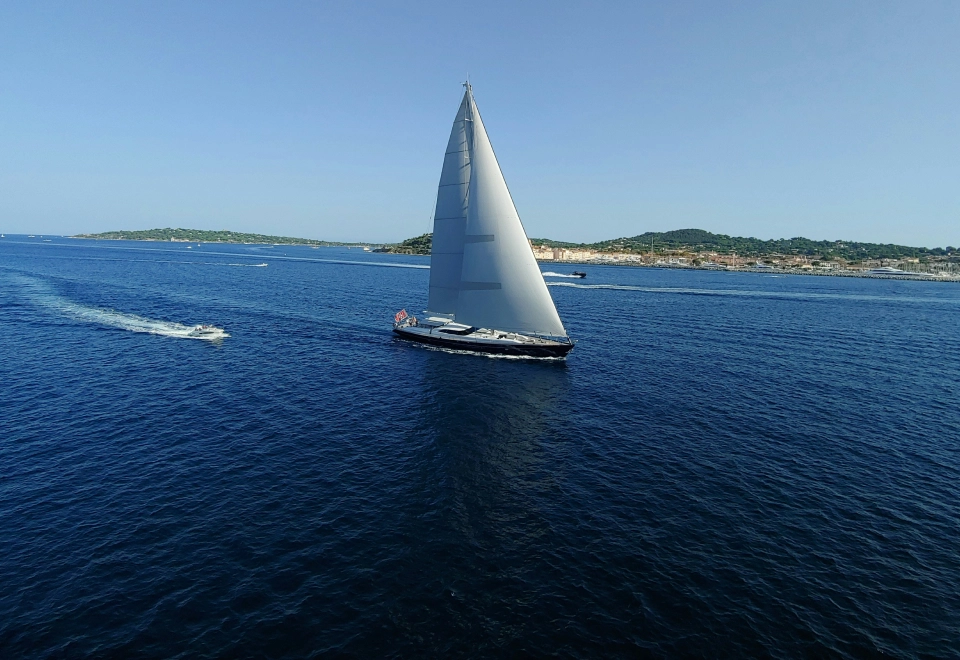
Travel has not always been an intimate gesture. It has often functioned as external affirmation. The destination validated choices, the hotel communicated status, and the photograph served as social proof. Experience was designed to be seen, shared and recognised. Tourism followed this logic, offering photogenic settings, fast-paced itineraries and narratives built for immediate visual consumption. Today, that model is losing momentum. Something quieter is emerging. Travel ceases to be a demonstration and becomes an inner experience.
The new emotional tourism is born from a diffuse exhaustion. After years of living under constant comparison, excessive stimulation and permanent visibility, many travellers are no longer searching for the next desirable destination. They are searching for genuine rest. They seek to feel something that does not require external validation. Travel becomes an interval of reconnection with oneself, away from the logic of continuous display.
This shift is not merely behavioural. It is cultural. The contemporary traveller begins to question the meaning of displacement. Being in a beautiful place is no longer enough. It is necessary to feel well within it. Value moves away from scenery and closer to emotional state. The focus shifts from documentation to lived experience, from outward gaze to inner listening.
Introspective tourism does not reject beauty. It repositions it. The landscape ceases to be a photographic backdrop and becomes a space for contemplation. Time slows down. Schedules loosen. Experience deepens because it no longer competes with the next share. Luxury becomes discreet. It manifests in the freedom of not needing to prove anything to anyone.
In high-end hospitality, this transformation becomes evident. Guests seek silence, privacy, nature and experiences that respect their emotional rhythm. Fewer imposed activities, more open space. Less stimulation, more care. The hotel steps away from the stage and moves closer to refuge. A place where it is possible to soften and simply be.
Emotional tourism values what touches, not what impresses. Unhurried walks, simple rituals, conscious nourishment, conversations without destination. It is no longer about accumulating experiences, but about integrating them. Memory ceases to be merely visual and becomes sensory and emotional. What remains is not the image, but the feeling.
This shift also changes the role of the host. Service ceases to be spectacle and becomes presence. Emotional hospitality requires listening, sensitivity and respect for the other’s space. It does not seek to enchant through excess, but to welcome through attention. Luxury moves away from exuberance and closer to care.
Display-driven tourism created experiences designed to be seen. Emotional tourism creates experiences designed to be felt. The difference is subtle, yet profound. In one case, the traveller performs. In the other, they allow themselves to live. The body relaxes, the mind slows, and the experience stops being performative and becomes embodied.
There is also an ethical dimension to this transition. Travelling to feel implies a more attentive relationship with place and people. The destination ceases to be a backdrop and becomes a living context. One observes more, interferes less. Consumption becomes more conscious. Tourism turns into relationship, not appropriation.
The new emotional tourism also responds to a psychological need of our time. Contemporary life fragments attention and distances the individual from themselves. Travel emerges as an opportunity for rebalancing. An interval in which presence, clarity and meaning can be restored. The destination ceases to be escape and becomes return. A return to the body, to time and to silence.
This shift does not eliminate the desire to share, but it changes its nature. Experience no longer needs to be exhibited in real time. It can be shared later, once it has been assimilated. The centre of the narrative moves away from the gaze of others. Feeling comes before showing.
Emotional tourism also redefines the concept of exclusivity. What is rare is not the destination, but the state it enables. Many can visit the same place; few are able to truly inhabit it with presence. Exclusivity shifts from access to inner experience. Luxury becomes what transforms, not what impresses.
Brands and destinations that understand this transition build deeper propositions. They do not sell packages, they offer states of being. They do not promise entertainment, they offer reconnection. Marketing moves away from aspiration and becomes sensitive. It speaks less about status and more about well-being. Less about external achievement, more about internal balance.
The new emotional tourism is not a passing trend. It is a response to collective exhaustion. The world has become too loud. Travel re-emerges as a space for listening. The traveller no longer wants to return with proof. They want to return changed. Calmer, more whole, more conscious. The value of the experience is measured by what remains afterwards, not by what was displayed during it.
Perhaps this is the great turning point of contemporary tourism. Travel ceases to be spectacle and becomes process. An intimate, quiet and transformative process. Luxury no longer lies in what is shown, but in what is felt. And feeling, in a world trained for distraction, has become the most sophisticated gesture of all.