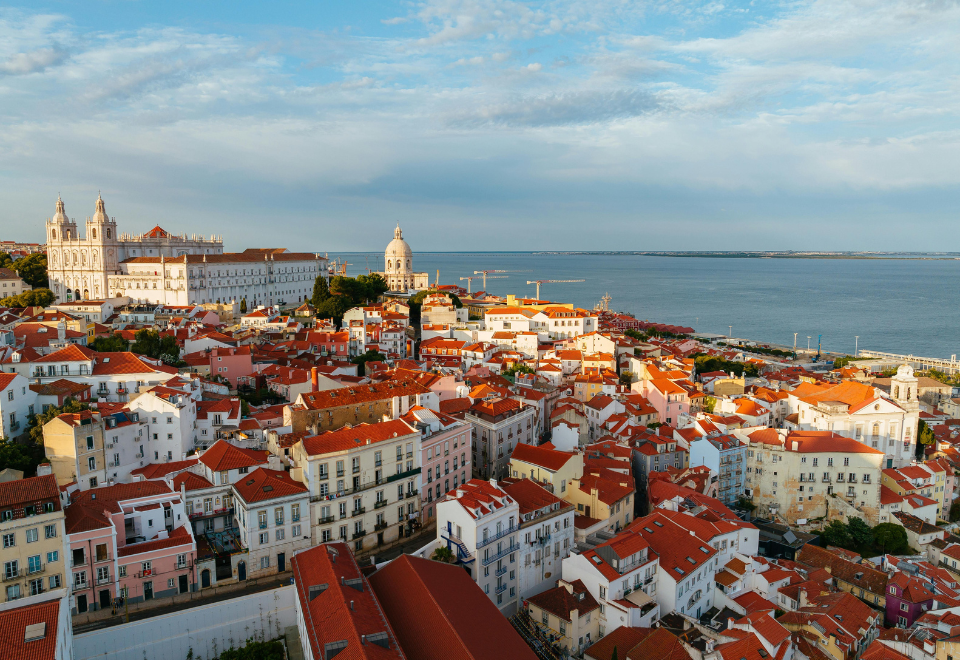
The global imagination surrounding Portugal was built for years around its natural beauty, hospitality and serene way of life. The country is known for its rich history, vibrant culture, irresistible gastronomy, stunning landscapes and mild climate. It is a land of azulejos and cork, of wines and beaches, of historic architecture and a sound that echoes as identity: Fado. But the country that once defined itself through tradition has reinvented itself as a creative and cultural reference. Today, Portugal is an epicentre where identity, talent and authenticity have become strategic assets. It is no longer just a destination but a brand, an international reference of originality, refinement and contemporary vision.
The numbers confirm this shift. According to Turismo de Portugal, the sector represents around 15% of national GDP, but more relevant than the volume is the nature of the transformation. Portugal attracts a different kind of traveller, one seeking cultural experiences, contemporary design, sensory gastronomy and authentic immersion. Lisbon and Porto have consolidated themselves as global creative hubs, hosting international events in architecture, innovation and art. The country exports not only wine and cork but also signature furniture, fashion, audiovisual work and design that speaks to the world. This change is more than economic, it is symbolic. Portugal learned to rewrite its story with aesthetics and purpose.
What distinguishes this new Portuguese identity is the rare ability to balance heritage and future. Traditional azulejo tilework coexists with urban art. Centuries-old estates become boutique hotels where minimalist design dialogues with ancestral architecture. Historic brands like Vista Alegre and Claus Porto reinvent themselves while keeping their soul intact. At the same time, new creators reinterpret craftsmanship, gastronomy and furniture with a global language and local sensitivity. Portugal understood that authenticity is not a static state but a living organism that adapts, breathes and evolves. Tradition ceased to be the past and became raw material for the future.
Sustainability is another pillar of this new vision. It is no longer a promise but a consolidated practice. Hotels in rehabilitated buildings, wineries with regenerative methods, restaurants prioritising seasonal ingredients and local producers. Contemporary Portuguese luxury is quiet, conscious and respectful of the environment. The high-end traveller does not seek only comfort but meaning. They want to feel that their presence contributes, that their choice strengthens an ecosystem. This awareness distinguishes Portuguese tourism and makes it a reference of hospitality with purpose.
Portuguese creativity has expanded beyond borders. Digital platforms promote national artists, design collectives participate in international biennales and the creative diaspora has become a global network of cultural ambassadors. From cinema to architecture, from music to gastronomy, Portugal is now a voice that is listened to and desired. A small country in scale but immense in expression. This projection was not built through noisy campaigns but through consistency, talent and an aesthetic that combines discretion and intensity. The world does not fall in love with Portugal because it shouts but because it whispers with elegance.
The curation of experiences has become decisive in this reinvention. It is no longer about visiting monuments but living narratives. Walking through Bairro Alto in search of street art, taking part in an artistic residency in the Alentejo, discovering the new fado merged with electronic music, visiting vineyards that combine terroir with signature architecture. Portugal learned to orchestrate its cultural diversity as a symphony: it preserves genuineness while elevating creative tourism. Every region, town and brand presents itself as part of the same national story, the story of a country that transforms authenticity into aesthetics and identity into experience.
Building Portugal as a creative brand means accepting the paradox of being global without losing identity, growing without massification, innovating without losing character. It means protecting what is genuine while opening space for dialogue with the world. It means understanding that creativity is a form of hospitality, a gesture from those who welcome not only visitors but also perspectives, cultures and ideas. Portugal discovered that its greatest differentiator is the union between the sophisticated and the simple, the ancestral and the contemporary, the local and the universal.
None of this happened by chance. It was the result of a generation of artists, entrepreneurs and visionaries who chose to stay, create and invest. Cities such as Braga, Évora, Aveiro and Faro are emerging as new centres of cultural innovation. Creativity has also become economic policy, supported by technological hubs, startups and public programmes that value local talent. The country is now a laboratory of new ways of living, working and welcoming. And the world watches, fascinated, as a small territory transforms into one of the most inspiring destinations of the twenty-first century.
The challenge now is to preserve balance. To ensure that growth does not dilute the silence, soul and harmony that made Portugal so desired. The future belongs to those who maintain coherence between aesthetics, ethics and purpose. Portugal proved that it is possible to be modern without being loud, refined without being distant, creative without losing authenticity. It became a brand because it transformed its way of being in the world into a universal language.
Portugal is more than a destination. It is an idea. A living metaphor for how a country can reinvent itself through culture, design and emotion. A place where time slows down, light draws the landscape and art finds refuge. Portuguese creativity is the country’s new national language, a way of thinking, welcoming and existing.