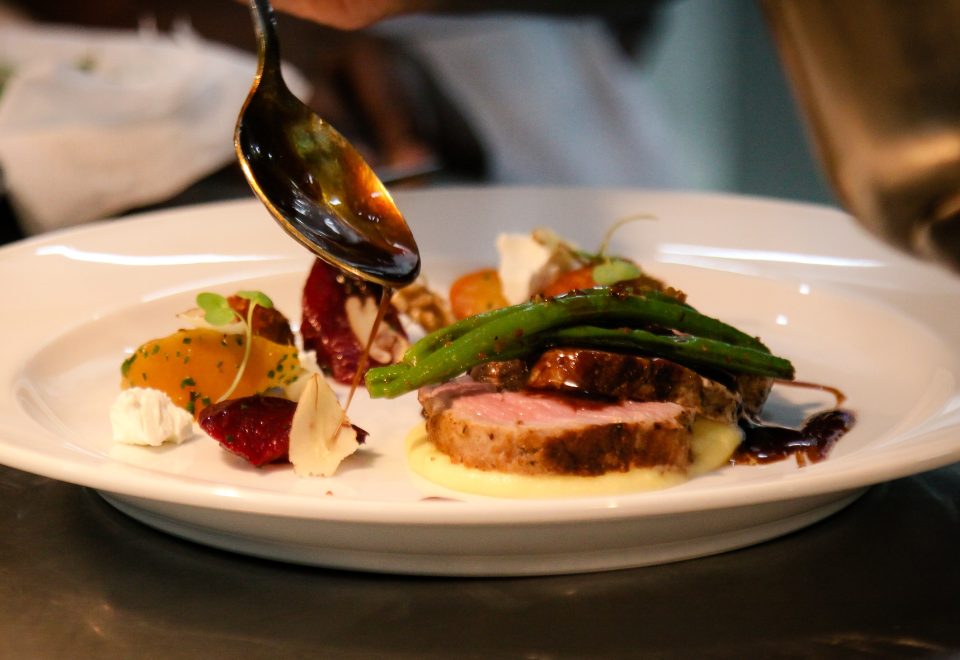
A subtle transformation is unfolding across the world’s kitchens. It is no longer only about food, but about narrative, identity and experiences that stay in the memory. The dish is no longer the final step of a culinary process; it has become a language, a form of expression as sophisticated as literature or cinema.
When a chef composes a dish, a story is being told. It may be a childhood memory, a territory, an ancestral technique reinvented or the improbable meeting of cultures. Every ingredient is chosen not only for its flavour but for what it symbolizes and evokes.
For centuries, gastronomy was functional; then it became art; now it has become discourse. Contemporary restaurants no longer simply feed. They communicate, provoke, question and surprise. They transform the act of eating into an immersive experience where all senses are called upon.
In conceptual restaurants, the experience begins before the first dish arrives. The space is designed to tell a story. The lighting shifts with the emotional progression of the meal, the music reinforces sensations, the weight of the cutlery and the texture of the linens are intentional. Nothing is accidental.
Some chefs transform their restaurants into living archives of traditions on the verge of extinction, rescuing forgotten ingredients and techniques. Others turn the kitchen into a laboratory of innovation, where science and art meet. And there are those who use the plate as social, political or environmental commentary.
The common point is evident: a restaurant is no longer merely a place to eat. It is a stage, a book, a conversation about identity, memory and belonging.
In this context, the brand is no longer a logo or slogan. It is the sum of experiences, emotions and stories it offers, built dish by dish, visit by visit, through narrative coherence.
Restaurants that understand this think as much about the experience as they do about the recipe. They question the story they want to tell, the emotions they want to provoke, the memories they hope to create. Every detail, from reservation to post-visit, serves this central narrative.
Some chefs construct linear narratives, others fragmented or circular ones, exploring ingredients and themes from different angles. Choosing ingredients is both a political and identity-driven act: working with local produce is a gesture of belonging and respect for the land; blending traditions reflects the hybrid culture of today’s world.
The presentation of the dishes goes beyond aesthetics. Every element communicates: colours, placement, the interplay between empty and full, the texture of the materials. A dish may appear simple yet contain complexity; appear chaotic yet conceal order.
There are restaurants that elevate this logic into a true artistic installation, inviting guests to participate, to touch, to question. But this transformation is not exclusive to fine dining. A humble tavern preserving a grandmother’s recipes also tells a story of authenticity and continuity.
What matters most is authenticity. People recognise when a story is genuine and when it is merely marketing. The strongest restaurants find this core truth and maintain it with courage, without diluting the message to please everyone.
Every decision, from suppliers to tone of voice to team training, should reflect the narrative. Consistency matters more than perfection, because the public forgives an imperfect dish, but not incoherence.
We have always told stories at the table. What changed was the awareness with which we do it. Chefs have become authors who write with ingredients and directors of sensory experiences. And we, diners, have become demanding readers: we want food that tells us something, that connects us to something greater.
This elevation of gastronomy represents both opportunity and responsibility. Restaurants that embrace this vision commit to substance and respect for their audience. It is no longer enough to be Instagrammable. It must be true.
In the end, what distinguishes a memorable restaurant is emotional and narrative coherence. It is the courage to have a unique voice in a world saturated with noise. It is the ability to transform a meal into a moment of connection with ourselves, with others and with place.
Gastronomy has become one of the most powerful forms of building identity. Eating is both intimate and universal; flavours carry memories and create bonds. Restaurants that understand this cease to be businesses and become creators of culture, guardians of memory and architects of experiences that shape the way we see the world.