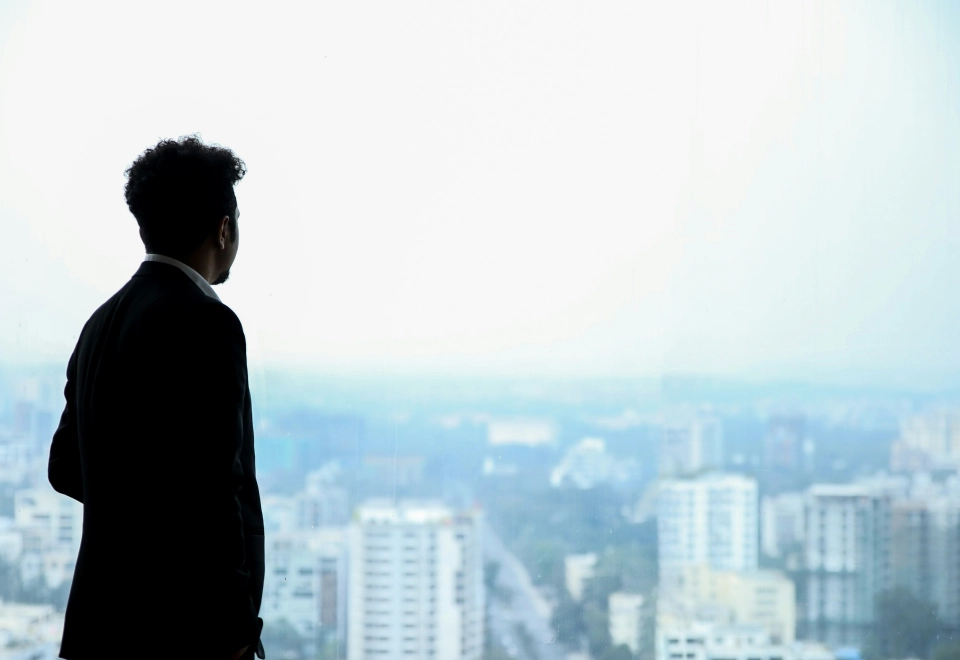
We are witnessing a subtle yet profound shift in the world of luxury tourism. For decades, refinement was measured by stars, rare wine lists and marble surfaces. Today, however, true luxury takes on a new meaning. It is no longer about displaying, but about transforming. The new high-net-worth traveller seeks more than comfort, they seek purpose.
They want to know that their presence leaves a regenerative mark. The boundaries between pleasure and consciousness are blurring. The guest who once travelled to escape the world now travels to reconnect with it. They look for experiences that spark meaning, places that tell stories and brands that reveal soul. They seek the silence of an untouched landscape, but also the genuine sounds of local culture. Luxury, in this new era, has become an act of giving back.
Behind the scenes of high-end hospitality, this revolution is tangible. Architectural projects are inspired by the landscape, not to dominate it, but to dialogue with it. Materials are chosen for their origin and environmental impact. Menus favour seasonal ingredients and local producers. Regenerative tourism begins where extractive tourism ends, the kind that takes more than it gives.
Luxury hospitality is no longer a symbol of excess, but of balance. Every choice, from architecture to lighting, from furniture design to the provenance of the coffee served at breakfast, communicates values. Aesthetics are no longer about what is seen, but what is felt. Luxury now respects the land and celebrates nature.
The pandemic accelerated this collective awareness. During the global pause, travellers discovered a new kind of desire, the desire to belong. It’s no longer enough to observe a fishing village; one must understand the life that pulses within it. It’s not enough to sleep in an isolated resort; one must know who benefitted from its construction.
Travel stops being an escape and becomes participation. This search for legacy carries a spiritual tone, born from the desire to align pleasure with purpose. The high-end guest wants to feel that by choosing a destination, they are supporting a community, preserving a forest and encouraging a craft. They want to return home knowing the world is slightly better because they were there. That is the new luxury, the luxury of belonging to something greater.
Hospitality responds with creativity and sensitivity. Many establishments now embrace genuine sustainability, not as marketing, but as philosophy. Solar panels and organic gardens coexist with contemporary design and signature cuisine, proving that aesthetics and awareness can live in harmony.
There is a special elegance in knowing the wine served comes from a nearby biodynamic vineyard or that the furniture was crafted by local artisans. Every detail tells a story and that narrative turns the guest into an ambassador. When an experience touches the heart, it becomes a memory, and memories are the most valuable emotional capital a brand can hold.
But speaking of sustainability in luxury hospitality also means speaking of cultural regeneration. It’s not enough to reduce impact, one must give back. The most remarkable hotels are those that unite exclusivity and inclusion, offering authentic experiences without appropriating local culture. Projects that revitalise villages, rescue traditional knowledge and create jobs bring life back to the land and pride to its people.
Hospitality becomes an act of reconnection, weaving together the bonds between traveller and destination. The guest stops being a spectator and becomes an active part of the place’s story. Luxury gains an ethical dimension and it is that very ethics that makes it beautiful.
The new luxury traveller is more conscious, informed and demanding. They seek authenticity and transparency. They can distinguish rhetoric from action and value hotels that measure and communicate their impact, that uphold real environmental commitments and involve local communities in their operations. For this audience, luxury is being part of a balanced ecosystem where comfort and conscience coexist.
There is also an emotional dimension to this new way of travelling. Positive impact is not only social or environmental, it is personal. It is the intimate transformation that happens when travel awakens a new way of seeing the world. The traveller returns changed: more aware, more empathetic, more grateful. At that moment, hospitality becomes a mediator of meaningful experiences. The stay is no longer a service but a journey.
Design follows this trend. Silent spaces integrated into nature replace ostentation and excess. Minimalism gives way to sensorial aesthetics, with natural materials, organic textures and local scents. Every element invites pause, contemplation and respect. Architecture, once a symbol of power, becomes a vehicle of harmony. At the same time, technology enters discreetly yet precisely.
Guests want personalisation without intrusion, digital comfort with room for disconnection. Smart systems optimise energy and ensure efficiency, but the experience remains centred on the human. It’s intelligent hospitality at the service of intention, the luxury of the essential.
This transformation redefines not only what it means to travel, but what it means to belong. Destinations once exploited by mass tourism are being rediscovered with a gentler gaze. Travellers seek to understand the soul of a place, participate in its story and contribute to its future.
This is the essence of the new era of luxury hospitality, the integration of pleasure and purpose. The future of tourism is being written by those who travel with awareness, who choose less but choose better, who prefer experiences with soul over those with shine.
Regenerative luxury is, above all, an invitation to slow down, to listen and to care. It is the luxury of empathy, the one that transforms the world while celebrating its beauty.
In the end, true positive impact may lie in the simple act of travelling with intention. It’s not only about where we stay, but how we stay, how we see, touch and leave a place when we depart. Travelling with purpose is the new luxury. It’s not about the destination, it’s about the world we leave behind when we return.